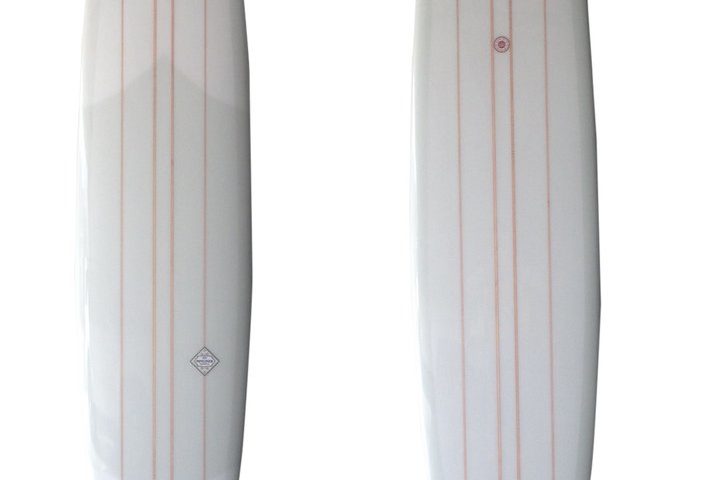
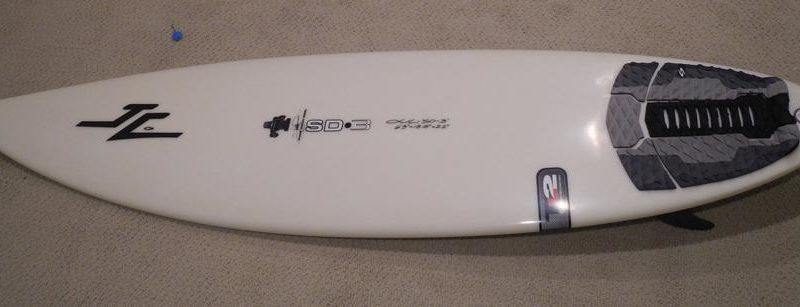
When choosing what kind of board you are going to buy a question you are going to want to ask yourself is, “What kind of tail do I want on my board?”
Surfboards come with all kinds of tails. Square, Squash, Diamond, Fish, Swallow, Bat, Pin, Thumb, Moon, and the list goes on. These are the main types of tails you will see in a lineup but with innovation you might see tails you never imagined popping up anytime. So to help you better understand what kind of tail you should have on your next board we will cover the top 5 most common tails and what purpose they server.
Square tail:
Square tails were the most common type of tail you would find on a surfboard years ago. Square tails allow you to have more area in the back of your board which provides better stability and drive in your surfing. A new trend in surfboards is to make them shorter, wider and thicker and a square tail allows you to put more foam in the back of your board. This also makes them great for smaller waves.
Squash tail:
Squash tails are what you will find on most boards. They look just like their name. If you were to take a pin tail and squash it, you would end up with a squash tail, (don’t try squashing your pin tail to get a squash, that isn’t how it works, just how it looks). Squash tails are very similar to square tails but allow you to have a little more release in your turns. Since the corners are rounded off you have less foam to push through the water as you turn. This is a very common shape for 3 fin shortboards and can be surfed in small – medium+ surf. If you are buying your first shortboard, a sqush tail is a great choice.
Round tail:
Round tails are the next step after squash. Pretty much if you took a square tail and sanded the corners you would get a squash tail. If you kept sanding you would get a round tail. With each step you get smoother, looser turns. Again the reason being you have less foam to push and throw around on the wave. Rounded tails are a lot looser and can be wobbly for a beginner. A big advantage for round pins is staying in the pocket on hollow waves. These tails are found on boards used in more advanced surf.
Pin tail:
Pin tails are used for big waves. These are the boards you see out at Waimea, Mavericks, Sunset and other big wave spots around the words. Traditionally they had a single fin but they now make pin tail boards with 3 fins and even quads. The narrow pin tail allows you to hold in the large waves.
Fish/swallow tail:
Fish tail surfboards were a thing of the past but have take off again as of late. Fish tails are usually found on shorter, wider boards with a lot of foam and are a large cut up the middle making the tail look like that of a fish. They are super fun in small waves. They have either a twin fin or quad fin setup. Swallow tails are similar but just don’t have as big of a cut up the middle of the board. The cut is usually only an inch and this is again just another way to get rid of some foam in the tail allowing you to push through water easier.
Different tail shapes?! Yes, rightly elaborating the types and their specific uses are of immense help!! We crave for more. May be environmental friendly surfboards or anything about surfing is welcome!
Surfing on the West Coast of North America goes way back in time. Nowadays everyone on this stretch of coastline seems to be a surfer, or at least know a few. For those of us who are out surfing everyday, we know the thrill that comes from it and the sport really becomes a significant part of our lives. It can make us want to share what we love with others, but at the same time want to keep it to ourselves so the crowds stay down. Sometimes I think surfers are torn over what to do. But seeing as we aren’t in the dark anymore, and people are going to find out and want to learn to surf even if we don’t take them out ourselves, here is The Surfing Blog’s Top Ten Places to Learn to Surf on The West Coast.
1 San Onofre – San Clemente, Southern California
San Onofre, just south of the world famous Lower Trestles, could be the best place to learn to surf on the whole West Coast. It’s comparable to Waikiki in Hawaii. Each day of the year there are hundreds of longboarders out on the slow and crumbly waves offered at San Onofre State Beach. The bottom is made up of cobblestones just like its neighbor, Trestles, but the waves break much differently, making it a perfect place to learn. The crowd is usually friendly, and you will see multiple surfers dropping in on every wave, riding into shore together.
2 Bolinas – Marin County, Northern California
Bolinas offers several spots to surf, the two main ones being The Patch and The Jetty. The Patch breaks on Duxbury Reef creating slow moving longboard waves. It is a great spot to learn to surf, one of the best in the region. It’s usually crowded with other longboarders and beginners going out for the first time. It’s also one of the most popular spots to take surf lessons in Northern California.
3 Cowells – Santa Cruz, Central California
Surfing is possibly more popular in Santa Cruz than anywhere else on the West Coast. If you are going to be in Santa Cruz then you have to take a shot at surfing, and Cowells it the place to do it. Cowells is a slow-rolling right point-break that breaks over a sand bottom. It can be very crowded with beginners, which is what you want when you are learning for the first time. The paddle out is easy, and of course, lessons are readily available from local surf shops in the area.
4 Santa Monica – Los Angeles, Southern California
The beaches in Santa Monica are known for their slow moving beginner waves. The slightly sloping sandy bottoms create crumbly longboard waves that are great to learn to surf on. This also might be one of the easiest places around to find surf lessons. Then once you start getting the hang of it, Malibu is right up the road, a great spot to paddle out with your newly developed surfing skills.
5 Doheny – Dana Point, Southern California
Doheny is the only break left in an area that once was home to Killer Dana, a famous high performance right-hand point break. The Dana Point Harbor was built and the jetties and breakwaters destroyed the wave. Now it is a super mushy wave that is frequented by longboarders and people who are going to learn to surf for the first time. You wont get into any trouble here for dropping in on the same wave as others or looking like you have no idea what you are doing.
6 La Jolla Shores – San Diego, Southern California
The whole La Jolla area is full of mellow sand and reef breaks that are great for longboarding most of the year. There are a ton of surf camps and surf lessons available along this stretch of coast, making it one of the best places to go for a vacation with the intent to learn to surf.
7 Devil’s Punchbowl State Park – Otter Rock, Oregon
One of the few parts of the coastline in Oregon that isn’t covered in sharp rocks, this area offers a huge, well-protected beach, where probably every surfer in Oregon has learned to surf. It is known locally as the “Waikiki of Oregon”, although the water temperatures are not nearly the same as in Hawaii, so pack your wetsuits, booties, and gloves.
8 Bolsa Chica – Huntington Beach, Southern California
Basically anywhere north of the pier in Huntington is a good place to learn to surf. Unless there is a really big swell, the waves here cater to beginners. And what better place is there to learn to surf than Surf City, USA?
9 Mondos – Ventura County, Southern California
Mondos is visible from the road on route 101, and is a perfect spot for beginners because of where it’s located. Most big swells are blocked by Santa Cruz Island so it never gets too crazy there. If you stick to the inside, then you’ll feel right at home with all the other beginners, and be up on your feet in no time.
10 Frank Island – Tofino, British Columbia
This surf spot is on the south end of Chesterman Beach on the west coast of Vancouver Island. The large swells that are common in this area are blocked by Frank Island, making for a perfect area for beginners to go tackle waves for their first time. Remember you’re in Canada now, so no matter what time of year you are here, it is going to be cold!
The way this list is ordered can definitely be argued, and there could even be some surf spots that deserve to be on here that are not. If you have a surf spot on the West Coast that you think is the best to learn to surf at, leave your comments below so our readers can have even more options.
I cut my teeth at Bolsa Chica. Of all the places you list out here, I’ve surfed San O, Bolsa, Doheny, La Jolla and Santa Monica. All are great places to learn. Great list!
I’ve surfed all the California beaches, they’re all fun. It all depends on the conditions, I’ve seen days at some of those breaks that beginners should definitely not be going out. Be aware. Great list.
Posted by Tim at 8:36 am on December 10th, 2009 to Top 10 List.
When we think of surfing on the East Coast, we typically think of hurricane season. After all, that’s pretty much the only time the rest of the world hears about good waves on the east coast. The truth is, there are a lot of good surf spots on the East Coast, many that break without the aid of a hurricane swell. The waves they get in between hurricane swells are actually perfect for learning to surf, so here’s The Surfing Blog’s Top Ten Places to Learn to Surf on The East Coast.
1 Cocoa Beach – Cocoa Beach, Florida
If Kelly Slater learned to surf here, then obviously something must be special about the place. Cocoa Beach can get pretty crowded, but it’s mostly with tourists, so its not like you have to deal with a crowd of wave-hungry locals. Most of the year the waves are great for beginners to get some rides in. The vibe in the water is friendly and welcoming, the bottom is soft and sandy, the water is warm, and the waves are usually gentle. This is one of your best bets for learning to surf on the east coast.
2 Corolla Beach – Corolla, North Carolina
Everyone who knows anything about surfing on the East Coast knows that the Outer Banks are the place to be. Waves can become incredibly perfect here with the right conditions and a solid hurricane swell. Corolla Beach, located on the north end of the Outer Banks, gets as good as almost anywhere on the east coast, but most of the time it is just a great spot for surfers of all ability levels. The summer months are warm, both in the water and in the air, and the waves are great for beginners.
3 Sea Isle City – New Jersey
One of the coolest surf towns in New Jersey, Sea Isle City offers a great stretch of coastline with surf spots all over the place to help thin the crowds. The beach breaks here are plentiful and perfect for beginners, offering up small, crumbly waves most of the year. The water temperature can actually get pretty warm in the summertime, making learning a much more pleasant experience. It’s also easy to find private and group surf lessons and rentals here, often taught by local pros.
4 St. Augustine Beach – Northern Florida
One of the best places to learn to surf in Florida, St. Augustine Beach takes in any swell that’s out there are breaks over a sand bottom. You can find people of all ability levels, riding every type of surfboard at St. Augustine. Although there can be a ton of people out, the crowds stays pretty spread out over the coastline and has a mellow vibe, which is a perfect situation for beginners and first timers.
5 Robert Moses State Park – Long Island, New York
We know there are a lot of New Yorkers out there who want to learn to surf, so we have to include a break in New York, and there is probably no better place than here for beginning surfers on Long Island. New York doesn’t usually come to mind as a major surf destination, but there have been some incredible surfer’s emerging out of the state in recent years. These guys learned not only how to surf here, but how to become major contenders in the surfing world, so there are definitely opportunities to get in the water and learn to surf. During summer this surf spot provides perfect conditions for beginners: small waves and sandy beaches.
6 Folly Beach – South Carolina
Folly Beach has huge expanses of soft sand and gentle waves suited for beginners. It’s an ideal place to learn to surf in South Carolina. This beach draws in more swell than the surrounding beaches, so there is always something for you to ride out there. It is also frequented by beginners, making for a pretty mellow crowd if there even is one at all. There is a great little local surf shop that you can get rentals at if you need a board.
7 Wrightsville Beach – North Carolina
Wrightsville Beach gets incredible with a large southeast hurricane swell, but luckily for the beginners, there are not large hurricane swells year round. The summer time here can supply some of the best conditions for people who want to learn to surf. The water temperatures are warm, the waves are a good size and shape, and crowds are spread out over a large area.
8 Nantucket – Massachusetts
Miles and miles of south-facing beaches that pick up even the slightest bit of swell provide a perfect learning arena for beginners. The water temperatures can get really warm in the summer, and there’s plenty of space to allow the crowds to spread out. Warm water, lot’s of space, and consistent small beach break waves…how can a place be more catered to people looking to learn to surf during summertime on the east coast.
9 Narragansett Town Beach – Rhode Island
One of the greatest spots to surf in New England no matter what ability level you are. Town beach always has waves to ride, even if they are small. Most of the beach is perfect for beginners, providing slow and mushy waves over a soft sand bottom, and normally with some really nice conditions as well. Surf instructors are readily available to teach you if it is your first time surfing. Plus there is a lot of room for everyone, so it doesn’t matter how many people show up.
10 Coast Guard Beach, Cape Cod National Seashore – Massachusetts
This is a great beach to take a bunch of beginners to. There is always a ton of people here in the summertime, and you’ll find people riding all kinds of boards and participating in every kind of beach activity. The waves are typically really soft and crumbly, perfect for longboarding. Longboarding in these conditions is ideal for someone looking to ride their first wave. The water temperatures here fluctuate drastically, from freezing cold, to perfectly warm for trunks, so be prepared for anything when you arrive.
This top-ten list is definitely debatable. You might think the order is wrong, or key spots should be added or even taken out of the list. Let us know by leaving your comments!
Great list, Tim! St. Augustine Beach is definitely one of the best places to learn how to surf. There are always waves, and the water temps stay warm through mid-November. Of course it can get pretty big during hurricane season, and with the occasional large winter storm, but in general St. Augustine is a good bet. Wrightsville Beach, too…they have a similar setup, especially during the summer months.
Posted by Tim at 11:40 am on December 4th, 2009 to Fins, Surf Equipment.
Some of my favorite fins to put on my boards back home in California are the Vector II FSG Fins by Future Fins. They are simple fins, and don’t look like anything special, but they work great in the California surf. These specific models are designed for lightweight surfers to use in mushy to rippable surf. Although I wish we had some more hollow waves in California more often, the fact is, we don’t.
Because of this I have found these fins to be really good for places like Trestles, where the wave is slow, but really rippable. I find these fins are easier to break free while trying to throw some tail compared to the stock fins that come with most boards. They were a nice upgrade for me, making surfing in California a bit more fun. The only embarrassing thing is the description on their website saying they allow “groms and girls to throw the tail”…and I don’t fit into either of those categories, but I guess size-wise, I kind of do.
I think most surfers don’t realize the difference fins can make on your board until you try out some different ones. surfers should definitely play around with different setups and see/ feel the difference and find a pair they like. i guess it can be hard when you eat ramen everyday though?
Recently I was reminded of a surf film premier I attended last fall on the North Shore of Hawaii in Haleiwa. This particular surf film entitled, One Track Mind, was another amazing 16mm creation directed by Chris Malloy and produced by Woodshed Films. The title does a great job of explaining what the whole surf film is about because professional athletes in any sport have a one-track mind focused on their passion for the sport they represent. Surfing is not the exception; in fact I would even venture out to say that surfers are the epitome of one-track minded people seeing as surfing is somewhat a lifestyle.
One Track Mind does and amazing job of showing the mind set of a variety of surfers including Jordy Smith, Kalohe Andino, Julian Wilson, Mick Fanning, Dane Reynolds, Joel Parkinson, and classic pros like Kelly Slater, Sunny Garcia, Mark Occhilupo, Wayne Bartholomew and Tom Curren. It’s extremely interesting to hear what these surfers have to say in this unique surf film. In a series of short interviews they explore topic like who each person idols, the dimensions of their favorite board, and what kind of surfboard fins they prefer.
This is such a unique surf film that gives you an inside look into the minds of people who have shaped surfing into what it is today. On top of this there is obviously some amazing surfing in world-class spots including Mexico, Indonesia, Micronesia, Australia and Southern California. Another amazing creation by Chris Malloy and Woodshed Films.
Of course my favorite will always be pin, but I’m a lil biased.
Thanks for useful article!
Different tail shapes?! Yes, rightly elaborating the types and their specific uses are of immense help!! We crave for more. May be environmental friendly surfboards or anything about surfing is welcome!
-Wavetribe.com